On this page
If you want to keep your business finances in check, start by knowing your fixed assets and current assets.

› Generate Real-Time Reports for Financial and Operational Insights
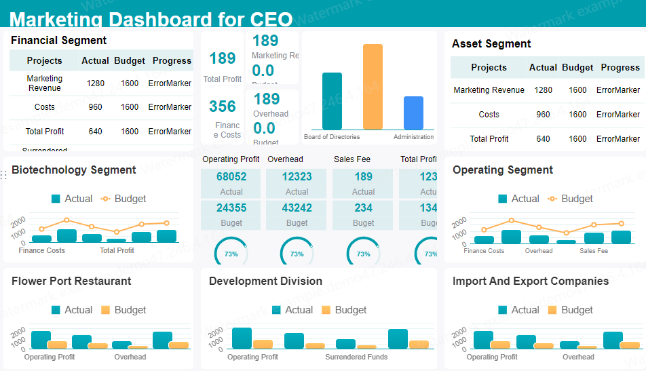
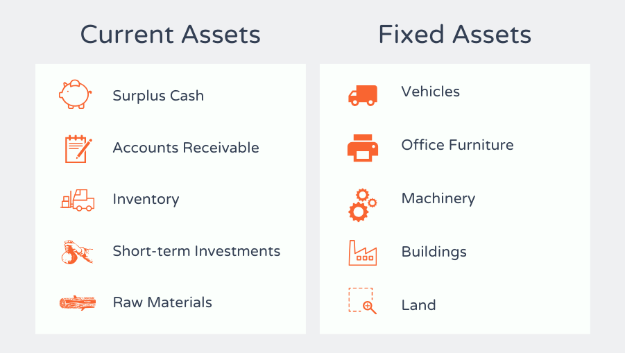
Fixed assets are your machinery, buildings, and vehicles. They are reliable workhorses that keep your business running smoothly over time.
Current assets like cash, inventory, and accounts receivable are constantly moving, ensuring your operations stay agile day to day.
This is where predictive maintenance comes in, helping to optimize how you manage both types of assets. Recent data shows that predictive maintenance can reduce planning time by 20–50%, boost equipment uptime by 10–20%, and lower overall maintenance costs by 5–10%.
Understanding the unique needs of fixed and current assets is key, and leveraging fixed asset management software can take much of the burden off your shoulders. In this piece, we’ll explore why asset knowledge is essential—and how specialized software can help effortlessly keep your fixed and current assets in check.
» Fixed Assets vs. Current Assets
Fixed assets and current assets each play a role in keeping a business strong. Fixed assets—think machinery, buildings, and equipment—are there for the long haul, supporting growth over time.
Width: 602px, Height: 340px
Width: 602px, Height: 340px
Width: 602px, Height: 340px
Width: 602px, Height: 0px
Width: 602px, Height: 340px
Width: 602px, Height: 340px
Width: 602px, Height: 0px
Width: 0px, Height: 0px
Width: 900px, Height: 508px
Width: 898px, Height: 507px
Width: 896px, Height: 506px
Width: 894px, Height: 505px
Width: 891px, Height: 503px
Width: 888px, Height: 502px
Width: 886px, Height: 501px
Width: 881px, Height: 498px
Width: 879px, Height: 497px
Width: 870px, Height: 491px
Width: 869px, Height: 491px
Width: 862px, Height: 487px
Width: 861px, Height: 486px
Width: 860px, Height: 486px
Width: 858px, Height: 485px
Width: 854px, Height: 482px
Width: 836px, Height: 472px
Width: 829px, Height: 468px
Width: 820px, Height: 463px
Width: 814px, Height: 460px
Width: 808px, Height: 456px
Width: 805px, Height: 455px
Width: 800px, Height: 452px
Width: 798px, Height: 451px
Width: 792px, Height: 447px
Width: 784px, Height: 443px
Width: 780px, Height: 441px
Width: 773px, Height: 437px
Width: 769px, Height: 434px
Width: 763px, Height: 431px
Width: 761px, Height: 430px
Width: 759px, Height: 429px
Width: 758px, Height: 428px
Width: 756px, Height: 427px
Width: 755px, Height: 427px
Width: 754px, Height: 426px
Width: 749px, Height: 423px
Width: 743px, Height: 420px
Width: 740px, Height: 418px
Width: 738px, Height: 417px
Width: 736px, Height: 416px
Width: 734px, Height: 415px
Width: 731px, Height: 413px
Width: 725px, Height: 410px
Width: 721px, Height: 407px
Width: 719px, Height: 406px
Width: 701px, Height: 396px
Width: 695px, Height: 393px
Width: 689px, Height: 389px
Width: 684px, Height: 386px
Width: 680px, Height: 384px
Width: 676px, Height: 382px
Width: 674px, Height: 381px
Width: 670px, Height: 378px
Width: 666px, Height: 376px
Width: 665px, Height: 376px
Width: 663px, Height: 375px
Width: 662px, Height: 374px
Width: 661px, Height: 373px
Width: 659px, Height: 372px
Width: 658px, Height: 372px
Width: 656px, Height: 371px
Width: 654px, Height: 369px
Width: 653px, Height: 369px
Width: 652px, Height: 368px
Width: 651px, Height: 368px
Width: 650px, Height: 367px
Width: 649px, Height: 367px
Width: 643px, Height: 363px
Width: 639px, Height: 361px
Width: 635px, Height: 359px
Width: 632px, Height: 357px
Width: 629px, Height: 355px
Width: 628px, Height: 355px
Width: 625px, Height: 353px
Width: 624px, Height: 353px
Width: 621px, Height: 351px
Width: 619px, Height: 350px
Width: 617px, Height: 349px
Width: 614px, Height: 347px
Width: 613px, Height: 346px
Width: 612px, Height: 346px
Width: 612px, Height: 346px
Width: 611px, Height: 345px
Width: 609px, Height: 344px
Width: 607px, Height: 343px
Width: 604px, Height: 341px
Width: 604px, Height: 341px
Width: 604px, Height: 341px
Width: 603px, Height: 341px
Width: 602px, Height: 340px
Width: 601px, Height: 339px
Width: 601px, Height: 339px
Width: 600px, Height: 339px
Width: 599px, Height: 338px
Width: 599px, Height: 338px
Width: 599px, Height: 338px
Width: 599px, Height: 338px
Width: 599px, Height: 338px
Width: 599px, Height: 338px
Width: 599px, Height: 338px
Width: 599px, Height: 338px
Width: 600px, Height: 339px
Width: 600px, Height: 339px
Width: 600px, Height: 339px
Width: 602px, Height: 340px
Width: 602px, Height: 340px
Current assets, like cash and inventory, keep things moving day-to-day. Balancing these two types of assets helps your business stay steady today while building for tomorrow.
› What are Fixed Assets?
Fixed assets are long-term investments, such as machinery, buildings, land, and company vehicles.
These aren’t items you’ll buy and sell quickly; instead, they’re meant to support the business over the long haul.
Characteristics of Fixed Assets
- Long-Term Use: These assets have been used for several years to support business growth and infrastructure.
- Depreciation: Fixed assets lose value over time, a process called depreciation, reflecting wear and tear or obsolescence.
- Illiquidity: Fixed assets aren’t quickly converted to cash, as they’re meant to support ongoing operations.
- High Initial Investment: These assets generally require a significant upfront cost, but they are seen as a lasting investment for the business.
› What are Current Assets?
Current assets are more flexible resources that keep your business moving day to day. These include cash, inventory, and accounts receivable—assets you can quickly turn into cash within a short period, usually within a year.
Unlike fixed assets, they don’t depreciate, but they do fluctuate as they’re constantly in use to meet immediate needs.
Characteristics of Current Assets
- Short-Term Use: These assets are expected to be converted to cash or used within the year.
- Liquidity: Current assets are easily converted into cash, making them essential for meeting immediate obligations and operational needs.
- Fluctuation: Unlike fixed assets, current assets constantly fluctuate as the business cycles through cash flow and inventory.
- Role in Daily Operations: They’re integral to keeping everyday operations running smoothly, covering expenses, and responding to daily demands.
» Why Effective Management of Fixed and Current Assets Matters?
Running a business successfully requires more than monitoring sales or services; it’s about maximizing the potential of what you already own. Both fixed and current assets are vital resources, each playing unique roles in your day-to-day and long-term success.
Here’s why managing them effectively is essential and how it benefits your business.
› Operational Efficiency
Managing fixed and current assets in sync can unlock new levels of efficiency across your operations. With the right practices, you can minimize downtime, streamline workflows, and reduce waste.
Below are the reasons why effective management may lead to operational efficiency:
- Avoid equipment downtime that helps prevent unexpected breakdowns that can disrupt your workflow.
- Inventory readiness is ensured by managing current assets such as raw materials and inventory, which ensures that they are available when needed.
- Optimizing cash flow by tracking accounts receivable and ensuring timely collections that provide steady cash flow to reinvest in your operations.
- Reducing overheads through a well-managed asset system that cuts down unnecessary spending on emergency repairs or last-minute inventory.
› Financial Health and Stability
Managing assets well isn’t just about keeping track; it’s also a crucial part of keeping your business financially strong. Fixed assets like machinery lose value over time, which affects your financial records. Keeping tabs on this depreciation means your balance sheets stay accurate.
The below aspects make asset management impact financial stability:
- Make accurate asset valuation by tracking the depreciation of fixed assets and keeping financial statements clear.
- Drive liquidity management by monitoring current assets, such as cash flow and receivables, to ensure funds are on hand to cover costs.
- Controlling expenses based on when equipment is due for an upgrade or replacement to plan for it in advance.
- Plan your capital by leveraging clear insights based on the value of your assets. It enables making smart choices about investments and growth, knowing precisely what you can afford.
› Risk Reduction
When assets aren’t actively managed, costly problems can creep up. For instance, fixed assets that don’t get regular maintenance are more likely to break down unexpectedly, which can lead to hefty repair costs.
Likewise, failing to monitor current assets like inventory and receivables can lead to stock shortages or cash flow issues.
Below are the ways in which effective asset management lowers these risks:
- Minimizing equipment failure by doing routine checks and maintenance on machinery.
- Monitoring inventory closely to prevent both stockouts and overstock, avoiding financial loss, and keeping customers satisfied.
- Safeguarding cash flow by keeping tabs on receivables to get paid on time, lowering the risk of cash flow gaps that could disrupt operations.
- Adhering to compliance with the help of asset tracking software that hel you keep on top of any regulations and avoid potential fines or penalties.
› Supporting Growth and Decision-Making
When you know exactly what assets you have, their condition, and their worth, planning for the future becomes a whole lot easier. Clear data on fixed assets, for instance, tells you when it’s time for upgrades.
Width: 600px, Height: 485px
Width: 600px, Height: 0px
Width: 0px, Height: 0px
Width: 1101px, Height: 889px
Width: 1100px, Height: 889px
Width: 1090px, Height: 881px
Width: 1079px, Height: 872px
Width: 1069px, Height: 864px
Width: 1060px, Height: 856px
Width: 1054px, Height: 852px
Width: 1048px, Height: 847px
Width: 1043px, Height: 843px
Width: 1040px, Height: 840px
Width: 1038px, Height: 839px
Width: 1037px, Height: 838px
Width: 1034px, Height: 835px
Width: 1025px, Height: 828px
Width: 1015px, Height: 820px
Width: 1003px, Height: 810px
Width: 991px, Height: 801px
Width: 980px, Height: 792px
Width: 965px, Height: 780px
Width: 954px, Height: 771px
Width: 948px, Height: 766px
Width: 939px, Height: 759px
Width: 932px, Height: 753px
Width: 923px, Height: 746px
Width: 915px, Height: 739px
Width: 905px, Height: 731px
Width: 894px, Height: 722px
Width: 880px, Height: 711px
Width: 865px, Height: 699px
Width: 835px, Height: 675px
Width: 829px, Height: 670px
Width: 823px, Height: 665px
Width: 819px, Height: 662px
Width: 812px, Height: 656px
Width: 809px, Height: 654px
Width: 807px, Height: 652px
Width: 803px, Height: 649px
Width: 801px, Height: 647px
Width: 799px, Height: 646px
Width: 798px, Height: 645px
Width: 794px, Height: 641px
Width: 791px, Height: 639px
Width: 787px, Height: 636px
Width: 785px, Height: 634px
Width: 783px, Height: 633px
Width: 782px, Height: 632px
Width: 778px, Height: 629px
Width: 775px, Height: 626px
Width: 772px, Height: 624px
Width: 771px, Height: 623px
Width: 770px, Height: 622px
Width: 769px, Height: 621px
Width: 768px, Height: 620px
Width: 763px, Height: 616px
Width: 760px, Height: 614px
Width: 754px, Height: 609px
Width: 749px, Height: 605px
Width: 745px, Height: 602px
Width: 741px, Height: 599px
Width: 738px, Height: 596px
Width: 737px, Height: 595px
Width: 733px, Height: 592px
Width: 730px, Height: 590px
Width: 730px, Height: 590px
Width: 725px, Height: 586px
Width: 721px, Height: 582px
Width: 718px, Height: 580px
Width: 714px, Height: 577px
Width: 711px, Height: 574px
Width: 709px, Height: 573px
Width: 701px, Height: 566px
Width: 697px, Height: 563px
Width: 690px, Height: 557px
Width: 683px, Height: 552px
Width: 679px, Height: 549px
Width: 678px, Height: 548px
Width: 677px, Height: 547px
Width: 673px, Height: 544px
Width: 669px, Height: 540px
Width: 664px, Height: 536px
Width: 663px, Height: 536px
Width: 660px, Height: 533px
Width: 658px, Height: 532px
Width: 654px, Height: 528px
Width: 651px, Height: 526px
Width: 648px, Height: 523px
Width: 645px, Height: 521px
Width: 643px, Height: 519px
Width: 642px, Height: 519px
Width: 640px, Height: 517px
Width: 638px, Height: 515px
Width: 633px, Height: 511px
Width: 629px, Height: 508px
Width: 623px, Height: 503px
Width: 621px, Height: 502px
Width: 619px, Height: 500px
Width: 618px, Height: 499px
Width: 614px, Height: 496px
Width: 612px, Height: 494px
Width: 611px, Height: 494px
Width: 610px, Height: 493px
Width: 609px, Height: 492px
Width: 608px, Height: 491px
Width: 607px, Height: 491px
Width: 604px, Height: 488px
Width: 601px, Height: 486px
Width: 599px, Height: 484px
Width: 597px, Height: 483px
Width: 595px, Height: 481px
Width: 594px, Height: 480px
Width: 593px, Height: 479px
Width: 592px, Height: 478px
Width: 590px, Height: 477px
Width: 589px, Height: 476px
Width: 588px, Height: 475px
Width: 587px, Height: 474px
Width: 587px, Height: 474px
Width: 587px, Height: 474px
Width: 589px, Height: 476px
Width: 590px, Height: 477px
Width: 591px, Height: 478px
Width: 592px, Height: 478px
Width: 593px, Height: 479px
Width: 594px, Height: 480px
Width: 595px, Height: 481px
Width: 597px, Height: 482px
Width: 598px, Height: 483px
Width: 599px, Height: 484px
Width: 600px, Height: 485px
Width: 601px, Height: 485px
Width: 601px, Height: 485px
Width: 601px, Height: 485px
Width: 601px, Height: 485px
Width: 600px, Height: 485px
Width: 599px, Height: 484px
Width: 600px, Height: 485px
Width: 601px, Height: 485px
Width: 601px, Height: 485px
Width: 600px, Height: 485px
Width: 600px, Height: 485px
Width: 599px, Height: 484px
Width: 599px, Height: 484px
Width: 600px, Height: 485px
Width: 601px, Height: 485px
Width: 602px, Height: 486px
Width: 600px, Height: 485px
Width: 600px, Height: 485px
Meanwhile, tracking current assets like cash flow and inventory helps you stay flexible, giving you room to expand without overextending.
Here’s how asset management fuels growth:
- Make strategic investments by knowing what your fixed assets are worth so you can make confident decisions about when to invest in upgrades or replacements.
- Ensure scalable cash flow management to avail flexibility for timely investments, whether that means hiring, expanding, or scaling up production.
- Perform data-driven forecasting with accurate records on assets that enable planning for future needs.
- Allow informed budgeting with a solid understanding of your asset values and costs so as to meet both current and future goals.
» How to Manage Both Using Asset Management Software?
Managing fixed and current assets can feel like juggling two different sets of priorities. Fixed assets, like machinery or buildings, require long-term tracking for depreciation and maintenance.
Current assets, on the other hand, are constantly in motion, with cash flow, inventory, and accounts changing daily. This is where Asset Management Software steps in to make things easier.
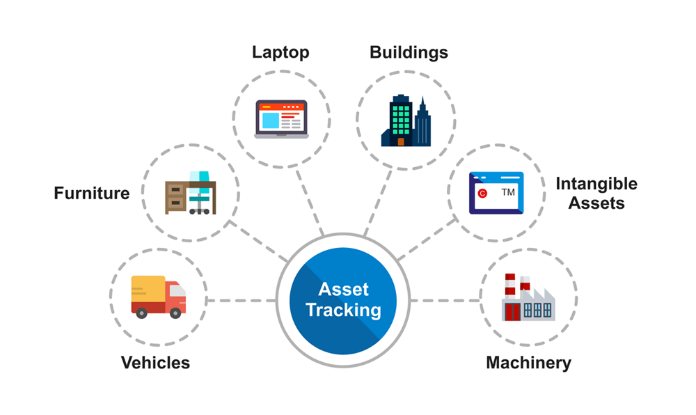
This software lets you monitor, track, and manage both asset types seamlessly by centralizing all asset data in one place. With the right tools, you can streamline everything from tracking depreciation schedules to managing real-time inventory levels—all while improving efficiency and saving time.
› Ensure Centralized Tracking of All Assets
Asset Management Software allows you to keep all your fixed and current assets in one system. Instead of manually updating separate lists for machinery, buildings, cash flow, or inventory, everything is centralized.
Width: 602px, Height: 359px
Width: 602px, Height: 359px
Width: 602px, Height: 0px
Width: 602px, Height: 359px
Width: 602px, Height: 359px
Width: 602px, Height: 0px
Width: 0px, Height: 0px
Width: 999px, Height: 595px
Width: 992px, Height: 591px
Width: 990px, Height: 590px
Width: 984px, Height: 586px
Width: 981px, Height: 585px
Width: 979px, Height: 583px
Width: 976px, Height: 582px
Width: 975px, Height: 581px
Width: 974px, Height: 581px
Width: 973px, Height: 580px
Width: 971px, Height: 579px
Width: 967px, Height: 576px
Width: 964px, Height: 575px
Width: 963px, Height: 574px
Width: 961px, Height: 573px
Width: 959px, Height: 572px
Width: 956px, Height: 570px
Width: 952px, Height: 567px
Width: 950px, Height: 566px
Width: 947px, Height: 564px
Width: 945px, Height: 563px
Width: 942px, Height: 561px
Width: 940px, Height: 560px
Width: 939px, Height: 560px
Width: 935px, Height: 557px
Width: 932px, Height: 555px
Width: 931px, Height: 555px
Width: 923px, Height: 550px
Width: 921px, Height: 549px
Width: 916px, Height: 546px
Width: 906px, Height: 540px
Width: 902px, Height: 538px
Width: 895px, Height: 533px
Width: 891px, Height: 531px
Width: 886px, Height: 528px
Width: 884px, Height: 527px
Width: 883px, Height: 526px
Width: 880px, Height: 524px
Width: 877px, Height: 523px
Width: 876px, Height: 522px
Width: 872px, Height: 520px
Width: 869px, Height: 518px
Width: 865px, Height: 516px
Width: 863px, Height: 514px
Width: 861px, Height: 513px
Width: 856px, Height: 510px
Width: 854px, Height: 509px
Width: 851px, Height: 507px
Width: 850px, Height: 507px
Width: 847px, Height: 505px
Width: 844px, Height: 503px
Width: 840px, Height: 501px
Width: 839px, Height: 500px
Width: 833px, Height: 496px
Width: 831px, Height: 495px
Width: 830px, Height: 495px
Width: 827px, Height: 493px
Width: 826px, Height: 492px
Width: 821px, Height: 489px
Width: 817px, Height: 487px
Width: 813px, Height: 485px
Width: 812px, Height: 484px
Width: 811px, Height: 483px
Width: 810px, Height: 483px
Width: 810px, Height: 483px
Width: 809px, Height: 482px
Width: 809px, Height: 482px
Width: 807px, Height: 481px
Width: 807px, Height: 481px
Width: 805px, Height: 480px
Width: 804px, Height: 479px
Width: 800px, Height: 477px
Width: 800px, Height: 477px
Width: 799px, Height: 476px
Width: 797px, Height: 475px
Width: 796px, Height: 474px
Width: 795px, Height: 474px
Width: 793px, Height: 473px
Width: 793px, Height: 473px
Width: 791px, Height: 471px
Width: 790px, Height: 471px
Width: 789px, Height: 470px
Width: 787px, Height: 469px
Width: 786px, Height: 468px
Width: 786px, Height: 468px
Width: 785px, Height: 468px
Width: 785px, Height: 468px
Width: 784px, Height: 467px
Width: 780px, Height: 465px
Width: 775px, Height: 462px
Width: 774px, Height: 461px
Width: 773px, Height: 461px
Width: 772px, Height: 460px
Width: 770px, Height: 459px
Width: 769px, Height: 458px
Width: 767px, Height: 457px
Width: 766px, Height: 457px
Width: 765px, Height: 456px
Width: 764px, Height: 455px
Width: 763px, Height: 455px
Width: 762px, Height: 454px
Width: 762px, Height: 454px
Width: 761px, Height: 454px
Width: 759px, Height: 452px
Width: 759px, Height: 452px
Width: 757px, Height: 451px
Width: 756px, Height: 451px
Width: 753px, Height: 449px
Width: 752px, Height: 448px
Width: 752px, Height: 448px
Width: 750px, Height: 447px
Width: 746px, Height: 445px
Width: 744px, Height: 443px
Width: 743px, Height: 443px
Width: 741px, Height: 442px
Width: 741px, Height: 442px
Width: 740px, Height: 441px
Width: 739px, Height: 440px
Width: 736px, Height: 439px
Width: 736px, Height: 439px
Width: 735px, Height: 438px
Width: 734px, Height: 437px
Width: 732px, Height: 436px
Width: 731px, Height: 436px
Width: 729px, Height: 434px
Width: 729px, Height: 434px
Width: 727px, Height: 433px
Width: 725px, Height: 432px
Width: 724px, Height: 431px
Width: 724px, Height: 431px
Width: 722px, Height: 430px
Width: 721px, Height: 430px
Width: 721px, Height: 430px
Width: 719px, Height: 429px
Width: 716px, Height: 427px
Width: 714px, Height: 426px
Width: 713px, Height: 425px
Width: 712px, Height: 424px
Width: 711px, Height: 424px
Width: 710px, Height: 423px
Width: 709px, Height: 423px
Width: 707px, Height: 421px
Width: 707px, Height: 421px
Width: 705px, Height: 420px
Width: 704px, Height: 420px
Width: 703px, Height: 419px
Width: 700px, Height: 417px
Width: 700px, Height: 417px
Width: 699px, Height: 417px
Width: 697px, Height: 415px
Width: 696px, Height: 415px
Width: 696px, Height: 415px
Width: 694px, Height: 414px
Width: 693px, Height: 413px
Width: 692px, Height: 412px
Width: 691px, Height: 412px
Width: 689px, Height: 411px
Width: 688px, Height: 410px
Width: 687px, Height: 409px
Width: 687px, Height: 409px
Width: 686px, Height: 409px
Width: 685px, Height: 408px
Width: 683px, Height: 407px
Width: 682px, Height: 406px
Width: 682px, Height: 406px
Width: 681px, Height: 406px
Width: 681px, Height: 406px
Width: 681px, Height: 406px
Width: 679px, Height: 405px
Width: 678px, Height: 404px
Width: 678px, Height: 404px
Width: 677px, Height: 403px
Width: 676px, Height: 403px
Width: 676px, Height: 403px
Width: 676px, Height: 403px
Width: 675px, Height: 402px
Width: 674px, Height: 402px
Width: 674px, Height: 402px
Width: 674px, Height: 402px
Width: 673px, Height: 401px
Width: 672px, Height: 401px
Width: 671px, Height: 400px
Width: 669px, Height: 399px
Width: 668px, Height: 398px
Width: 668px, Height: 398px
Width: 667px, Height: 398px
Width: 666px, Height: 397px
Width: 666px, Height: 397px
Width: 666px, Height: 397px
Width: 665px, Height: 397px
Width: 665px, Height: 397px
Width: 664px, Height: 396px
Width: 663px, Height: 395px
Width: 662px, Height: 395px
Width: 661px, Height: 394px
Width: 661px, Height: 394px
Width: 659px, Height: 393px
Width: 658px, Height: 392px
Width: 657px, Height: 392px
Width: 656px, Height: 391px
Width: 655px, Height: 391px
Width: 653px, Height: 389px
Width: 653px, Height: 389px
Width: 652px, Height: 389px
Width: 651px, Height: 388px
Width: 649px, Height: 387px
Width: 648px, Height: 386px
Width: 646px, Height: 385px
Width: 642px, Height: 383px
Width: 638px, Height: 380px
Width: 637px, Height: 380px
Width: 636px, Height: 379px
Width: 635px, Height: 379px
Width: 634px, Height: 378px
Width: 633px, Height: 377px
Width: 632px, Height: 377px
Width: 629px, Height: 375px
Width: 628px, Height: 374px
Width: 627px, Height: 374px
Width: 625px, Height: 373px
Width: 624px, Height: 372px
Width: 621px, Height: 370px
Width: 618px, Height: 368px
Width: 616px, Height: 367px
Width: 615px, Height: 367px
Width: 614px, Height: 366px
Width: 614px, Height: 366px
Width: 613px, Height: 365px
Width: 613px, Height: 365px
Width: 611px, Height: 364px
Width: 609px, Height: 363px
Width: 608px, Height: 363px
Width: 606px, Height: 361px
Width: 605px, Height: 361px
Width: 605px, Height: 361px
Width: 604px, Height: 360px
Width: 604px, Height: 360px
Width: 599px, Height: 357px
Width: 597px, Height: 356px
Width: 597px, Height: 356px
Width: 598px, Height: 357px
Width: 599px, Height: 357px
Width: 601px, Height: 358px
Width: 601px, Height: 358px
Width: 598px, Height: 357px
Width: 596px, Height: 355px
Width: 597px, Height: 356px
Width: 597px, Height: 356px
Width: 598px, Height: 357px
Width: 599px, Height: 357px
Width: 601px, Height: 358px
Width: 601px, Height: 358px
Width: 602px, Height: 359px
This is how you simplify getting an accurate overview of both types of assets in real-time, helping you spot issues before they become problems.
Implementing these tips requires:
- Consolidating Data Sources: Upload data from different departments (e.g., inventory, accounting, maintenance) into the software to create a complete asset database.
- Setting Up Unique Identifiers: Assign unique tags or codes to each asset to make tracking more manageable and ensure everything is noticed.
- Regularly Update Records: Schedule regular check-ins to update asset data, ensuring that your centralized view stays accurate and valuable.
› Automate Depreciation Tracking for Fixed Assets
One of the biggest challenges with fixed assets is tracking depreciation over time. Asset Management Software automates this process, calculating depreciation for each asset based on predefined schedules.
This not only keeps your records accurate but also helps with financial reporting and tax compliance.
A few of the action items here are:
- Choosing Depreciation Methods: Use the software’s options to choose the appropriate depreciation method (e.g., straight-line or declining balance) based on your asset type.
- Scheduling Automated Calculations: Set up the software to calculate depreciation automatically monthly or yearly, reducing the risk of manual errors.
- Reviewing Depreciation Reports: Regularly review the automated reports to ensure calculations align with your records and accounting requirements.
› Streamline Inventory and Cash Flow Management for Current Assets
Because current assets are fluid, managing cash flow and inventory can be tricky. With Asset Management Software, you can track inventory levels in real time and monitor cash flow without missing a beat.
This keeps you aware of what’s available and what’s running low and ensures you have cash to meet immediate needs.
How to Implement:
- Set Reorder Alerts: Use the software’s alert system to set minimum stock levels and get notified when inventory is low so you can reorder in time.
- Automate Cash Flow Projections: Input your receivables and payables to get an automatic forecast of cash flow, which will help you plan for short-term expenses.
- Monitor Real-Time Inventory Movement: The software’s live tracking allows you to see when and where inventory is moving, allowing you to make quick adjustments based on demand.
› Schedule Regular Maintenance for Fixed Assets
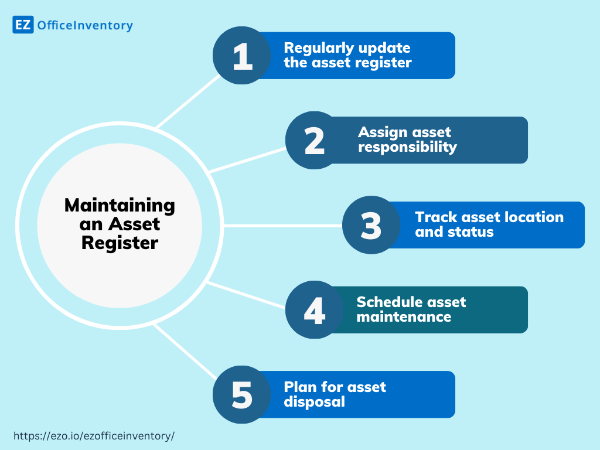
Fixed assets like machinery, vehicles, and equipment need consistent care to stay in good working condition. Asset Management Software helps you schedule and track maintenance routines so you won’t have to scramble to fix equipment at the last minute.
Width: 600px, Height: 450px
Width: 600px, Height: 0px
Width: 600px, Height: 450px
Width: 600px, Height: 450px
Width: 600px, Height: 0px
Width: 0px, Height: 0px
Width: 1024px, Height: 768px
Width: 1015px, Height: 761px
Width: 1011px, Height: 758px
Width: 1005px, Height: 754px
Width: 998px, Height: 748px
Width: 994px, Height: 745px
Width: 986px, Height: 739px
Width: 983px, Height: 737px
Width: 978px, Height: 733px
Width: 976px, Height: 732px
Width: 974px, Height: 730px
Width: 966px, Height: 724px
Width: 962px, Height: 721px
Width: 955px, Height: 716px
Width: 951px, Height: 713px
Width: 944px, Height: 708px
Width: 938px, Height: 703px
Width: 931px, Height: 698px
Width: 916px, Height: 687px
Width: 907px, Height: 680px
Width: 890px, Height: 668px
Width: 885px, Height: 664px
Width: 870px, Height: 653px
Width: 860px, Height: 645px
Width: 851px, Height: 638px
Width: 840px, Height: 630px
Width: 832px, Height: 624px
Width: 825px, Height: 619px
Width: 820px, Height: 615px
Width: 812px, Height: 609px
Width: 806px, Height: 604px
Width: 797px, Height: 598px
Width: 777px, Height: 583px
Width: 771px, Height: 578px
Width: 764px, Height: 573px
Width: 758px, Height: 568px
Width: 753px, Height: 565px
Width: 747px, Height: 560px
Width: 743px, Height: 557px
Width: 736px, Height: 552px
Width: 731px, Height: 548px
Width: 725px, Height: 544px
Width: 716px, Height: 537px
Width: 712px, Height: 534px
Width: 705px, Height: 529px
Width: 702px, Height: 526px
Width: 700px, Height: 525px
Width: 696px, Height: 522px
Width: 694px, Height: 520px
Width: 692px, Height: 519px
Width: 688px, Height: 516px
Width: 685px, Height: 514px
Width: 681px, Height: 511px
Width: 680px, Height: 510px
Width: 678px, Height: 508px
Width: 677px, Height: 508px
Width: 676px, Height: 507px
Width: 672px, Height: 504px
Width: 669px, Height: 502px
Width: 665px, Height: 499px
Width: 659px, Height: 494px
Width: 656px, Height: 492px
Width: 651px, Height: 488px
Width: 650px, Height: 488px
Width: 649px, Height: 487px
Width: 649px, Height: 487px
Width: 648px, Height: 486px
Width: 646px, Height: 484px
Width: 640px, Height: 480px
Width: 637px, Height: 478px
Width: 632px, Height: 474px
Width: 630px, Height: 473px
Width: 629px, Height: 472px
Width: 628px, Height: 471px
Width: 627px, Height: 470px
Width: 625px, Height: 469px
Width: 624px, Height: 468px
Width: 622px, Height: 466px
Width: 621px, Height: 466px
Width: 620px, Height: 465px
Width: 619px, Height: 464px
Width: 618px, Height: 463px
Width: 617px, Height: 463px
Width: 616px, Height: 462px
Width: 615px, Height: 461px
Width: 615px, Height: 461px
Width: 614px, Height: 460px
Width: 612px, Height: 459px
Width: 611px, Height: 458px
Width: 610px, Height: 458px
Width: 609px, Height: 457px
Width: 608px, Height: 456px
Width: 608px, Height: 456px
Width: 607px, Height: 455px
Width: 606px, Height: 454px
Width: 602px, Height: 451px
Width: 601px, Height: 451px
Width: 600px, Height: 450px
Width: 599px, Height: 449px
Width: 598px, Height: 448px
Width: 598px, Height: 448px
Width: 597px, Height: 448px
Width: 598px, Height: 448px
Width: 599px, Height: 449px
Width: 600px, Height: 450px
By setting reminders and recording maintenance history, you can ensure your assets last longer and perform at their best.
Take the following actions here:
- Create Maintenance Schedules: Use the software to set up recurring maintenance schedules for each piece of equipment based on manufacturer recommendations.
- Set Reminders for Upcoming Maintenance: Enable alerts to remind you of upcoming maintenance tasks so you can plan downtime without disrupting workflows.
- Log Maintenance History: Record every service, repair, and part replacement directly in the software. This keeps a running history you can refer back to, helping you spot patterns in wear and tear over time.
› Optimize Asset Lifecycle with Usage and Performance Data
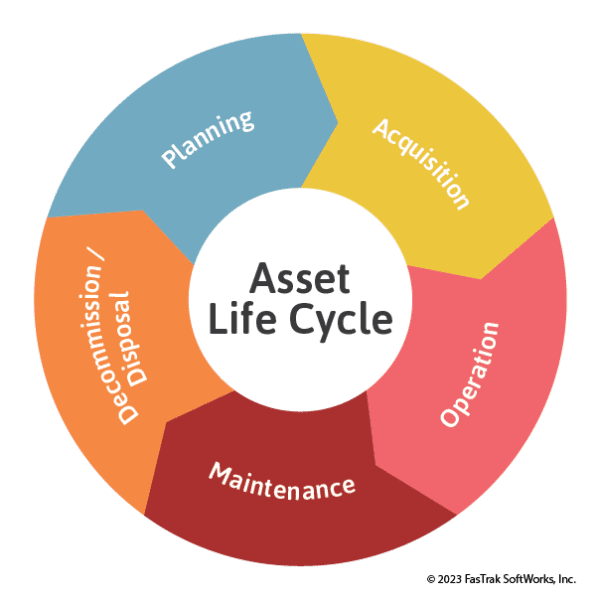
Knowing when to repair, upgrade, or replace an asset is essential for maximizing value. Asset Management Software helps you track how often an asset is used, its performance levels, and when it might be reaching the end of its useful life.
Width: 600px, Height: 600px
Width: 600px, Height: 600px
Width: 600px, Height: 600px
Width: 600px, Height: 0px
Width: 0px, Height: 0px
Width: 598px, Height: 598px
Width: 597px, Height: 597px
Width: 596px, Height: 596px
Width: 595px, Height: 595px
Width: 594px, Height: 594px
Width: 593px, Height: 593px
Width: 590px, Height: 590px
Width: 588px, Height: 588px
Width: 586px, Height: 586px
Width: 584px, Height: 584px
Width: 583px, Height: 583px
Width: 581px, Height: 581px
Width: 579px, Height: 579px
Width: 575px, Height: 575px
Width: 571px, Height: 571px
Width: 557px, Height: 557px
Width: 553px, Height: 553px
Width: 548px, Height: 548px
Width: 547px, Height: 547px
Width: 547px, Height: 547px
Width: 549px, Height: 549px
Width: 551px, Height: 551px
Width: 553px, Height: 553px
Width: 553px, Height: 553px
Width: 555px, Height: 555px
Width: 555px, Height: 555px
Width: 556px, Height: 556px
Width: 558px, Height: 558px
Width: 559px, Height: 559px
Width: 559px, Height: 559px
Width: 561px, Height: 561px
Width: 563px, Height: 563px
Width: 565px, Height: 565px
Width: 566px, Height: 566px
Width: 566px, Height: 566px
Width: 566px, Height: 566px
Width: 566px, Height: 566px
Width: 568px, Height: 568px
Width: 569px, Height: 569px
Width: 569px, Height: 569px
Width: 569px, Height: 569px
Width: 569px, Height: 569px
Width: 570px, Height: 570px
Width: 571px, Height: 571px
Width: 573px, Height: 573px
Width: 574px, Height: 574px
Width: 575px, Height: 575px
Width: 576px, Height: 576px
Width: 577px, Height: 577px
Width: 578px, Height: 578px
Width: 579px, Height: 579px
Width: 580px, Height: 580px
Width: 580px, Height: 580px
Width: 581px, Height: 581px
Width: 581px, Height: 581px
Width: 583px, Height: 583px
Width: 583px, Height: 583px
Width: 584px, Height: 584px
Width: 585px, Height: 585px
Width: 586px, Height: 586px
Width: 587px, Height: 587px
Width: 588px, Height: 588px
Width: 589px, Height: 589px
Width: 589px, Height: 589px
Width: 589px, Height: 589px
Width: 590px, Height: 590px
Width: 590px, Height: 590px
Width: 591px, Height: 591px
Width: 593px, Height: 593px
Width: 594px, Height: 594px
Width: 595px, Height: 595px
Width: 595px, Height: 595px
Width: 595px, Height: 595px
Width: 595px, Height: 595px
Width: 595px, Height: 595px
Width: 596px, Height: 596px
Width: 596px, Height: 596px
Width: 596px, Height: 596px
Width: 596px, Height: 596px
Width: 596px, Height: 596px
Width: 596px, Height: 596px
Width: 597px, Height: 597px
Width: 597px, Height: 597px
Width: 597px, Height: 597px
Width: 598px, Height: 598px
Width: 598px, Height: 598px
Width: 598px, Height: 598px
Width: 598px, Height: 598px
Width: 598px, Height: 598px
Width: 598px, Height: 598px
Width: 598px, Height: 598px
Width: 598px, Height: 598px
Width: 599px, Height: 599px
Width: 599px, Height: 599px
Width: 599px, Height: 599px
Width: 600px, Height: 600px
Width: 601px, Height: 601px
Width: 601px, Height: 601px
Width: 601px, Height: 601px
Width: 601px, Height: 601px
Width: 600px, Height: 600px
Width: 599px, Height: 599px
Width: 598px, Height: 598px
Width: 598px, Height: 598px
Width: 598px, Height: 598px
Width: 599px, Height: 599px
Width: 600px, Height: 600px
Width: 600px, Height: 600px
Width: 600px, Height: 600px
By monitoring this data, you can make proactive decisions that save money and avoid unexpected downtime.
Consider taking the following actions at this point:
- Track Usage Patterns: Use the software to record how frequently assets are used. This information can guide decisions on rotating equipment or taking assets offline when usage drops.
- Monitor Performance Metrics: Some software allows you to measure performance, like fuel consumption for vehicles or output for machinery. Watching these metrics over time can help you notice when an asset is becoming less efficient.
- Plan for Replacements: Based on the usage and performance data, set alerts for when an asset may need replacing. This lets you budget for replacements in advance rather than scrambling to cover sudden costs.
› Generate Real-Time Reports for Financial and Operational Insights
The beauty of Asset Management Software is that it can generate reports with just a few clicks. You get a snapshot of everything from asset values and depreciation to inventory levels and maintenance costs.
Width: 600px, Height: 345px
Width: 600px, Height: 0px
Width: 600px, Height: 0px
Width: 0px, Height: 0px
Width: 952px, Height: 547px
Width: 951px, Height: 546px
Width: 949px, Height: 545px
Width: 945px, Height: 543px
Width: 943px, Height: 542px
Width: 940px, Height: 540px
Width: 934px, Height: 537px
Width: 931px, Height: 535px
Width: 928px, Height: 533px
Width: 926px, Height: 532px
Width: 923px, Height: 530px
Width: 921px, Height: 529px
Width: 920px, Height: 529px
Width: 919px, Height: 528px
Width: 916px, Height: 526px
Width: 910px, Height: 523px
Width: 900px, Height: 517px
Width: 893px, Height: 513px
Width: 888px, Height: 510px
Width: 882px, Height: 507px
Width: 874px, Height: 502px
Width: 869px, Height: 499px
Width: 864px, Height: 496px
Width: 854px, Height: 491px
Width: 846px, Height: 486px
Width: 840px, Height: 483px
Width: 833px, Height: 479px
Width: 823px, Height: 473px
Width: 813px, Height: 467px
Width: 805px, Height: 463px
Width: 795px, Height: 457px
Width: 786px, Height: 452px
Width: 783px, Height: 450px
Width: 780px, Height: 448px
Width: 776px, Height: 446px
Width: 775px, Height: 445px
Width: 773px, Height: 444px
Width: 769px, Height: 442px
Width: 764px, Height: 439px
Width: 735px, Height: 422px
Width: 725px, Height: 417px
Width: 720px, Height: 414px
Width: 714px, Height: 410px
Width: 713px, Height: 410px
Width: 709px, Height: 407px
Width: 703px, Height: 404px
Width: 701px, Height: 403px
Width: 695px, Height: 399px
Width: 693px, Height: 398px
Width: 692px, Height: 398px
Width: 688px, Height: 395px
Width: 686px, Height: 394px
Width: 686px, Height: 394px
Width: 685px, Height: 394px
Width: 684px, Height: 393px
Width: 681px, Height: 391px
Width: 676px, Height: 388px
Width: 672px, Height: 386px
Width: 669px, Height: 384px
Width: 662px, Height: 380px
Width: 661px, Height: 380px
Width: 656px, Height: 377px
Width: 654px, Height: 376px
Width: 653px, Height: 375px
Width: 653px, Height: 375px
Width: 652px, Height: 375px
Width: 649px, Height: 373px
Width: 646px, Height: 371px
Width: 646px, Height: 371px
Width: 645px, Height: 370px
Width: 644px, Height: 370px
Width: 643px, Height: 369px
Width: 641px, Height: 368px
Width: 640px, Height: 368px
Width: 637px, Height: 366px
Width: 636px, Height: 365px
Width: 635px, Height: 365px
Width: 635px, Height: 365px
Width: 634px, Height: 364px
Width: 633px, Height: 364px
Width: 632px, Height: 363px
Width: 630px, Height: 362px
Width: 628px, Height: 361px
Width: 627px, Height: 360px
Width: 626px, Height: 359px
Width: 625px, Height: 359px
Width: 624px, Height: 358px
Width: 624px, Height: 358px
Width: 621px, Height: 357px
Width: 620px, Height: 356px
Width: 618px, Height: 355px
Width: 617px, Height: 354px
Width: 616px, Height: 354px
Width: 615px, Height: 353px
Width: 614px, Height: 353px
Width: 613px, Height: 352px
Width: 612px, Height: 351px
Width: 611px, Height: 351px
Width: 611px, Height: 351px
Width: 611px, Height: 351px
Width: 611px, Height: 351px
Width: 611px, Height: 351px
Width: 611px, Height: 351px
Width: 610px, Height: 350px
Width: 610px, Height: 350px
Width: 607px, Height: 349px
Width: 607px, Height: 349px
Width: 607px, Height: 349px
Width: 607px, Height: 349px
Width: 606px, Height: 348px
Width: 605px, Height: 347px
Width: 604px, Height: 347px
Width: 603px, Height: 346px
Width: 602px, Height: 346px
Width: 601px, Height: 345px
Width: 597px, Height: 343px
Width: 596px, Height: 342px
Width: 596px, Height: 342px
Width: 596px, Height: 342px
Width: 596px, Height: 342px
Width: 597px, Height: 343px
Width: 598px, Height: 343px
Width: 600px, Height: 345px
Width: 600px, Height: 345px
These reports give you the necessary insights to make smart decisions, such as determining where to allocate resources or trim expenses.
For this, take action to:
- Set Up Custom Report Templates: Create report templates that cover key areas like depreciation, cash flow, and maintenance costs, saving time when you need to pull up data.
- Schedule Automatic Reports: Have the software generate reports on a regular basis—monthly, quarterly, or however often you need. This way, you’ll always have up-to-date information at your fingertips.
- Review Reports with Your Team: Share these reports with relevant departments to keep everyone aligned on asset status and financials, making it easier to collaborate on big decisions.
» Conclusion
Managing fixed and current assets doesn’t have to be overwhelming. When you know how to handle each type and use the right tools, it becomes a lot easier to keep things running smoothly.
Asset Management Software eliminates the guesswork. It helps you track depreciation, inventory management, and plan maintenance all in one place.
By implementing these tips, you’re organizing your assets and setting up your business to run more efficiently and grow confidently.
It’s about having a clear picture of where your resources stand today and knowing you’re prepared for whatever comes next. Now’s the time to take that step forward and see how the right software can transform the way you manage your assets.